

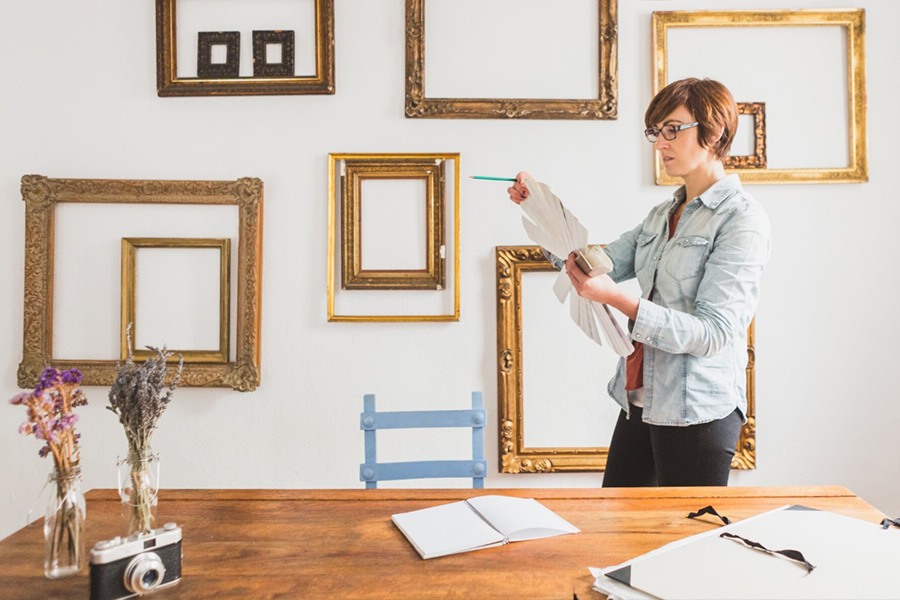
The charm of a period home can be the envious features that new builds struggle to craft. With high ceilings, decorative cornices, original plaster walls, and timber picture rails, these homes have a unique character. To display artwork in such spaces requires careful planning. Choices in framing can make the original features pop while leaving the walls undamaged and preventing rooms from feeling cluttered.
Homeowners seeking framing in Melbourne can be wise about how they manage the age, layout, and materials of a property to ensure that the display feels natural and even.
Use Picture Rails to Your Advantage
No doubt, picture rails are a handy little feature present in many older homes. They allow things to drape off hooks and wires making nails in the wall not required.
This is useful when trying to preserve fragile plaster or avoid additional holes. This also alleviates the difficult job of replacing art as your taste changes.
Always make sure the rail is secure and a construction that can bear some weight before hanging a frame. Remember to use compatible hooks and hanging wire, spread heavier pieces over appropriate support points. You may want another way to mount very heavy artwork.
Hang pictures at the same height for an arranged look. You can even change up frame sizes, but keep the spacing between each piece uniform.
Protect Original Plaster Walls
Plaster also requires more care than many relatively modern wall surfaces. Older plasterwork can be fragile, cracking around fixings or separating from the substrate.
Do not drill without checking that the wall is in good condition first. Getting it wrong, means a join in the wrong part of the pipe and a damage that will be tricky to repair without providing a rough finish.
If you need to fix it directly onto the walls, select fixings suitable for the structure of the wall and paintings. Always get a qualified professional to evaluate loose or cracked plaster prior to installation.
Lightweight frames might be more flexible, but it depends on how they are fixed. Never ever assume a small nail will hold up a piece of art that is expensive or heavy.
Pick Frames That Match the House
The frame should be in harmony with the artwork and also with the architecture of the room. Allow elaborate timber frames to complement classical oil paintings, while uncomplicated profiles define a clean contrast on ornate walls.
Consider these options:
- Classic timber frames: Good for traditional art and period-style furnishings.
- Thin rimmed modern frames: You want something contemporary, but without overpowering details from the resources used originally.
- Neutral-Mount: Make space around prints and photographs.
- Keen frame finishes: Keep a gallery wall together, even as the artwork itself differs.
Picture framers with experience will assist you choosing materials, colours, and proportions that go well together with your artwork pieces and interior.
Plan Artwork Around the Room
Consider the entire room before you find out where each piece goes. If it is an oversized painting then a prominent wall might be appropriate, while smaller prints along a hallway or staircase can also work.
Measure the available space first. Sketch the design on paper before hanging anything. This avoids unnecessary holes and adjustments.
If you are comparing picture framers for a period home, make sure to ask about their conservation materials and what experience they have of maybe fitting an older piece of artwork. Specialist advice may be sought for valuable or fragile pieces.
Keep the Interior Balanced
You should leave the character of a home in place, it should be improved by good framing in Melbourne rather than compete with the original character of your home. Staying respectful of picture rails and plasterwork, along with carefully selected frames can protect the mate’s appeal.
If planned deliberately, works of art can slip into the framework of the home and be easy to update; it results in that rarest of things: a domestic interior which feels personal, considered and authentic to its architectural heritage.