

Alright, let’s just cut to the chase. You’re reading this because you’re probably knee-deep in plans for a massive produce cold storage facility, and you’re tired of the same old corporate jargon that says nothing. So here’s the unvarnished truth: building a cold storage solution for produce at scale isn’t just about slapping some insulation on a warehouse and hoping the broccoli stays crunchy. It’s about engineering a living ecosystem where temperatures dance on a dime, humidity plays nice, and your fruits and vegetables don’t stage a revolt. That’s where Cold Storage Construction Services steps in, and why I’m sitting here typing this at 2 a.m., because honestly, this stuff is more exciting than it sounds—once you get past the acronyms.
Think about the last time you bit into a perfect apple in the middle of December. That crisp snap didn’t happen by accident. It took a symphony of construction expertise, from the foundation slabs that keep the ground from sweating to the vapor barriers that stop moisture from turning your cold room into a swamp. For large-scale produce storage, you’re not just managing apples—you’ve got avocados that gasp at the wrong temperature, berries that bruise like drama queens, and leafy greens that wilt faster than a politician’s promise. The people at Cold Storage Construction Services don’t just build boxes, they build controlled environments where every cubic foot of air is a promise. For example, they’ll tell you about floor heating systems that prevent freezing near the ground, while the ceiling stays arctic. It’s weird, it’s wonderful, and it’s the only way to keep a million pounds of mangoes from turning into sad, mushy lumps.
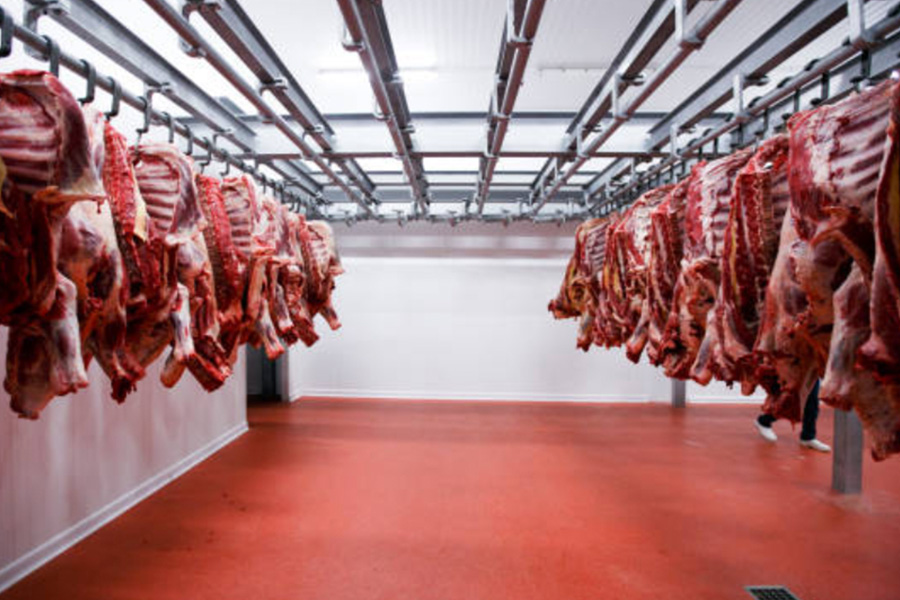
Now, let’s talk about the elephant in the room—or rather, the cow. Because if you’re handling produce at scale, you’re probably also wondering how to handle the meat side of things. Here’s a dirty little secret: produce and meat don’t like each other. They’re like oil and water, except oil and water at least respect each other’s space. Meat needs colder temperatures, lower humidity, and zero ethylene gas, which produce loves to fart out. That’s where Meat Cold Storage Solutions comes into play. Their approach isn’t just about segregating sections—it’s about creating separate microclimates within the same facility. Imagine a building where the left wing is a tropical paradise for tomatoes, and the right wing is a frozen tundra for beef carcasses. That’s not just clever construction, that’s a logistical ballet. They use insulated panels with a specific R-value to maintain the chill, air curtains at doorways to stop climate mingling, and refrigeration systems that hum in perfect harmony. Ever seen a 3000-square-foot cold room that can switch between 34°F for pork and 28°F for fish in under 30 minutes? It’s like watching a chameleon change colors, but colder.
The real magic happens in the design phase—the part most people skip because it’s less Instagram-worthy than the final product. But I’m going to take you behind the curtain. When you’re building for produce, you have to consider respiration rates. Fruits and vegetables breathe, literally. They give off heat, moisture, and gases. So the construction folks at Cold Storage Construction Services don’t just install standard cooling units, they calculate the heat load of every single crate of oranges you might stack. They size the evaporators to handle the fog of condensation that forms when you open the door in humid weather. They even place the lights—LED only, because heat from old bulbs is the enemy—at specific angles so they don’t cook your spinach. It’s that granular. And for large-scale operations, you’re talking about multiple zones with separate compressor banks, backup generators that kick in before the power dies, and data monitoring systems that ping your phone if the temperature drifts by half a degree. You don’t just store produce, you nurture it.
But here’s where it gets personal for me. I once visited a facility that stored both produce and meat under the same roof, and it was a disaster. The meat room leaked cold air into the produce room, the produce gave off ethylene that turned the meat brown, and the whole place smelled like a forgotten lunchbox. Then I saw a facility built using Meat Cold Storage Solutions principles—with airtight partitions, separate air handlers, and a vestibule that acts like an airlock. The difference was night and day. The meat was bright red, the lettuce was crisp, and the workers weren’t sneezing from cross-contaminants. That’s the kind of detail that separates a warehouse from a masterpiece.
Let’s also talk about the outside. You’d think cold storage is all about the inside, but the exterior matters too. The roof has to be white to reflect solar heat, the walls need that special coating that resists mold, and the loading docks have to be built with levelers that can handle a truck’s weight without cracking. Cold Storage Construction Services actually pays attention to the drainage around the foundation—because if water pools near the base, it can freeze and crack the concrete, and then you’ve got a cold mess. And for large-scale facilities, you’re looking at maybe 200,000 square feet of space. That’s a lot of square footage to keep cold. They’ll use multiple independent refrigeration units instead of one giant system, so if one breaks down, you don’t lose everything. It’s like having backup parachutes.
Finally, let’s geek out on the engineering details that nobody talks about but everyone should. For produce, the ideal humidity is around 85-95%, depending on the crop. To achieve that in a large building, the construction team needs to install humidifiers that spray a fine mist—not too wet, not too dry—and dehumidifiers that kick in when the crop sweats. They also use specialized insulation that doesn’t just block heat but also prevents moisture from seeping through. And here’s a wild fact: the color of the interior paint matters. Light colors reflect thermal radiation, dark colors absorb it. So those white walls aren’t just for looks—they’re part of the energy-saving strategy. Meanwhile, Meat Cold Storage Solutions folks might use antimicrobial coatings on the walls and floors to prevent bacteria from setting up camp. It’s all interconnected.
So if you’re building that dream facility, don’t just hire a general contractor who “does cold storage.” Look for specialists who understand that produce is alive and meat is fragile. The people behind Cold Storage Construction Services and Meat Cold Storage Solutions live and breathe this stuff, from the chill doors that glide silently to the refrigerant lines that snake through the ceiling like veins. Your broccoli will thank you, your customers will notice, and your bottom line will stay as crisp as a fresh head of lettuce. Now go make some cold magic happen.